
Illinois Pollution Control Board Adopts First Time-Limited Water Quality Standard
On November 4, 2021, the Illinois Pollution Control Board approved a groundbreaking time-limited water quality standard (TLWQS) for chloride, applicable to the Chicago Area Waterway System and the Lower Des Plaines River, pending USEPA approval. The 15-year TLWQS allows a temporary variance from existing chloride standards while requiring dischargers to implement best management practices, develop individual pollution minimization programs, participate in a chloride workgroup, and submit annual progress reports. The ruling also establishes interim chloride criteria, enhanced monitoring requirements, and a permitting framework to ensure enforceability through NPDES permits, with mandatory re-evaluations after five and ten years.
Environmental Justice Becomes Part of Federal Climate Change Policies
In late January, President Biden signed an Executive Order to address the climate crisis and prioritize environmental justice. This updates a 1994 order, highlighting the administration’s commitment to marginalized communities through the White House Environmental Justice Interagency Council. Discover how these changes promote equity in governance.
County of Maui v. Hawaii Wildlife Fund: What Happens Now?
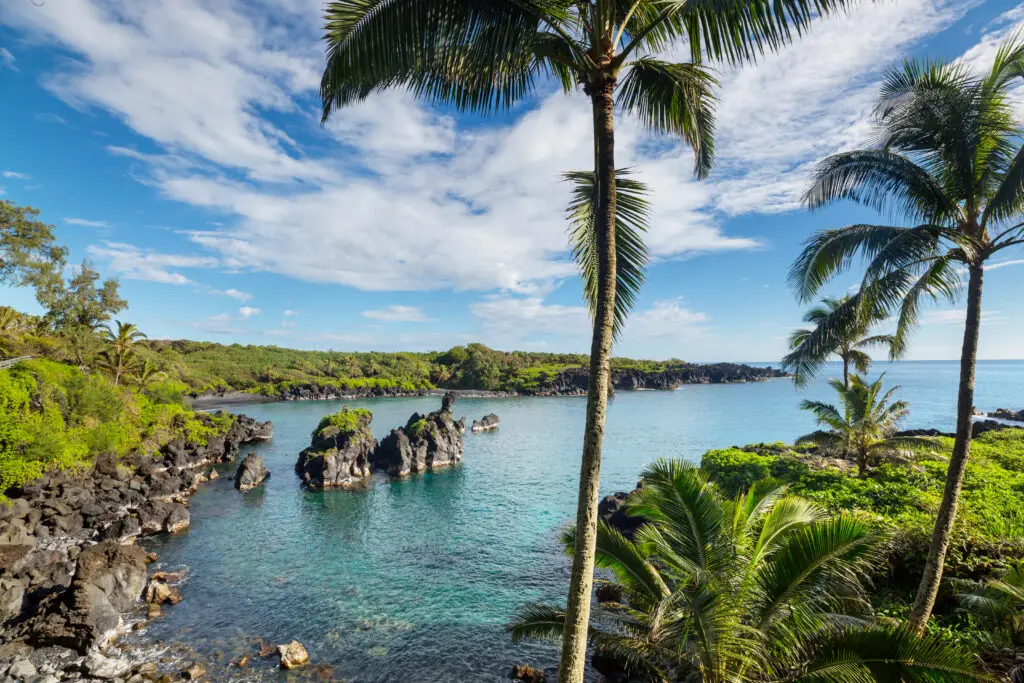
The recent Supreme Court decision in County of Maui v. Hawaii Wildlife Fund impacts the Clean Water Act (CWA) regarding groundwater contamination. This ruling questions permit requirements for pollutants reaching navigable waters via groundwater. With the Court’s factors for determining the “functional equivalent” of direct discharge, industries now face a complex legal landscape. Stakeholders must stay informed about potential effects on their operations and compliance.
USEPA Announces Revised Interpretation of “Begin Actual Construction” under New Source Review Regulations

On March 25, 2020, the United States Environmental Protection Agency (USEPA) released a draft memorandum that may change preconstruction permitting. This new interpretation allows broader on-site activities before obtaining a construction permit, aiming to ease project delays. Explore how this change impacts your operations and compliance strategies.
Supreme Court: Groundwater Discharges to Navigable Waters Require a Permit When ‘Functionally Equivalent’ to a Direct Discharge
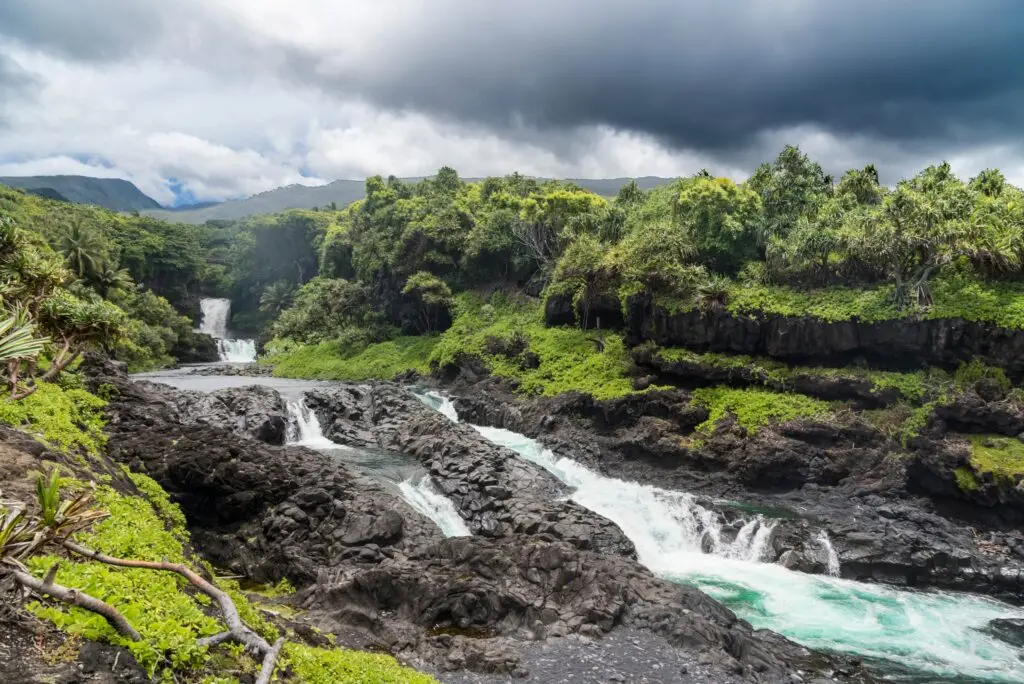
In a landmark ruling, the Supreme Court determined that groundwater discharges to navigable waters require a permit if they are the “functional equivalent” of a direct discharge. The case, County of Maui v. Hawaii Wildlife Fund, reinterprets the Clean Water Act by considering time and distance in permitting. This ruling balances environmental protection with state regulation of groundwater pollution. Learn how this decision affects water regulation and future environmental cases.