
Implications of U.S. Supreme Court’s Expansion of Civil RICO Liability: An Analysis of Medical Marijuana, Inc. v. Horn
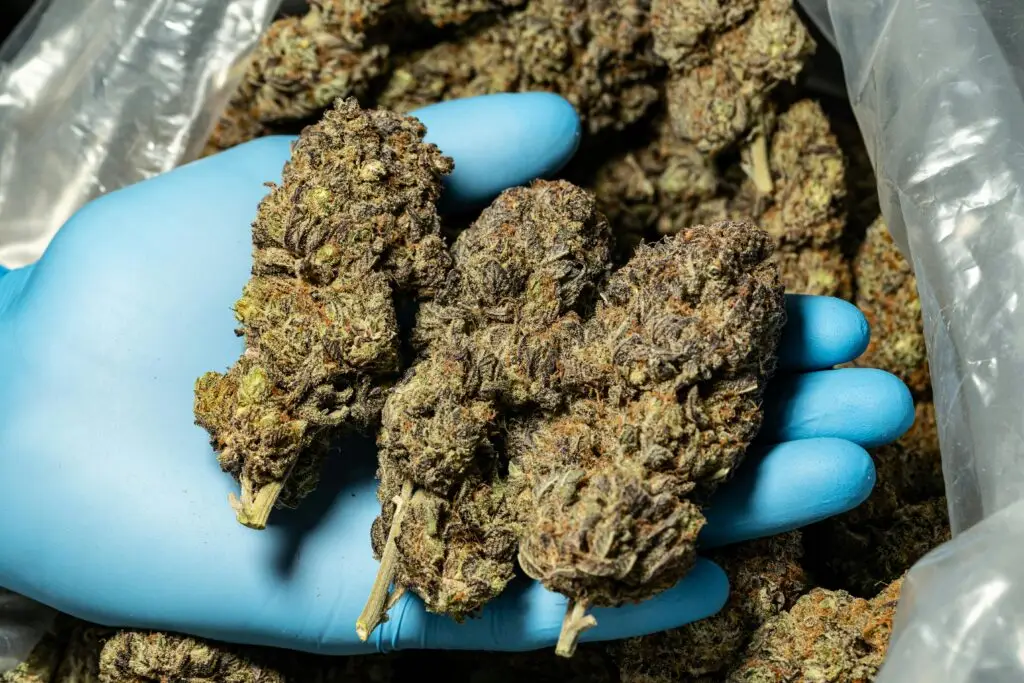
The U.S. Supreme Court’s recent decision in Medical Marijuana, Inc. v. Horn has significant implications for civil RICO liability, potentially reshaping the landscape for businesses facing claims. In a landmark ruling, the Court determined that plaintiffs can seek damages for business or property losses even if they stem from personal injuries. This expansion of RICO could lead to a surge in claims and increased financial risks for companies. As the legal ramifications unfold, understanding the nuances of this decision is crucial for both plaintiffs and defense attorneys navigating the evolving litigation environment.
SCOTUS Ends “Background Circumstances” Rule in Reverse Discrimination Cases

In a landmark decision, the Supreme Court has struck down the controversial “background circumstances” rule in reverse discrimination cases, reshaping the landscape of employment law. In Ames v. Ohio Department of Youth Services, a heterosexual woman challenged her employer for promoting less experienced gay candidates, claiming discrimination under Title VII. The Court’s unanimous ruling emphasizes that Title VII protects individuals regardless of their majority or minority status, rejecting additional burdens on majority-group plaintiffs. This pivotal case not only alters the standard for proving discrimination but also raises questions about the future of the McDonnell Douglas framework in employment law.
Chevron Deference Overturned by U.S. Supreme Court
On June 28, 2024, the U.S. Supreme Court made a landmark decision in Loper Bright Enterprises v. Raimondo, overturning the Chevron deference guiding agency interpretations since 1984. This ruling mandates that courts exercise independent judgment rather than deferring to agencies, significantly impacting environmental law and reshaping agency authority. Discover the details of this important opinion.
U.S. Supreme Court Rules Corporations Can Be Properly Sued in State Courts Wherever Registration Statutes Provide Jurisdiction
In a landmark 5-4 decision, the U.S. Supreme Court ruled that corporations can be sued in state courts where they do business, regardless of size or relevance to the plaintiff’s claim. This ruling from Mallory v. Norfolk Southern R. Co. raises significant questions about personal jurisdiction for out-of-state corporations. With dissenting opinions warning of potential overreach, this decision marks a pivotal moment in corporate law. Discover the details of this ruling.