
Environmental Attorneys’ Amici Briefs Get It Right
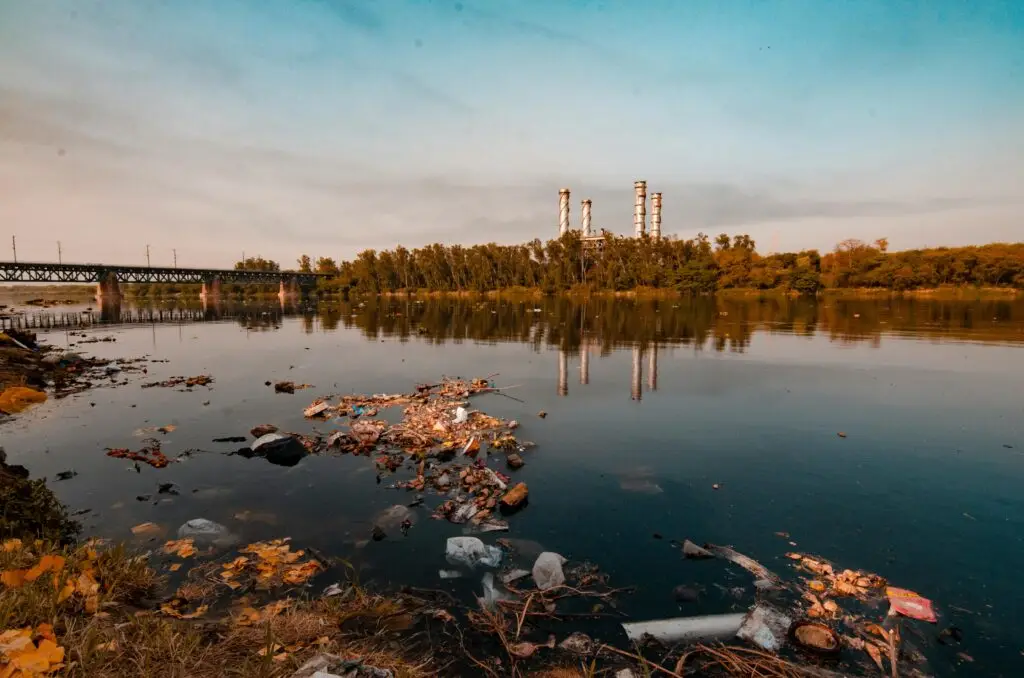
In Prairie Rivers Network v. Dynegy Midwest Generation LLC, the Seventh Circuit accepted several amicus briefs that went beyond duplicating party arguments and instead provided unique legal, historical, and practical perspectives on Clean Water Act issues. Judge Michael Scudder highlighted these briefs as models for effective amicus advocacy, emphasizing their value in offering new analysis, regulatory context, and technical insight to aid the court’s decision-making.
Get in that Chicken Suit! The Role of Facts Outside the Court Record in Appellate Review
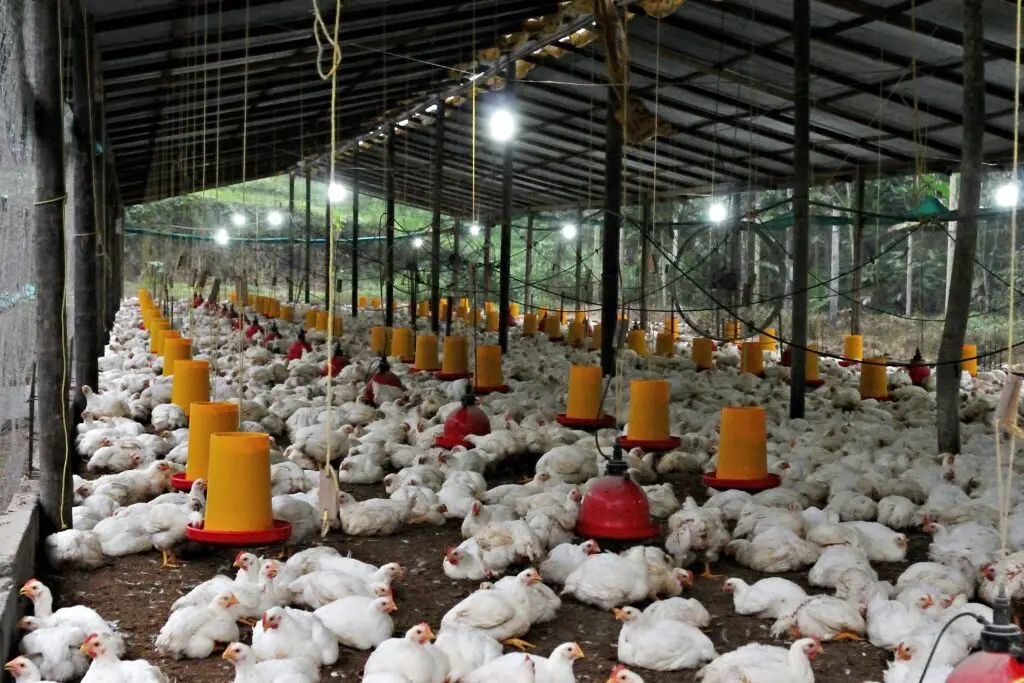
In Mitchell v. JCG Industries, Inc., the Seventh Circuit, in a majority opinion by Judge Posner, rejected poultry workers’ claims that donning and doffing sanitary gear during lunch breaks constituted compensable work under the Fair Labor Standards Act. While acknowledging the trial court record did not resolve the dispute over how long the process took, the court conducted an in-chambers experiment with court staff to test the claim. Posner emphasized that the experiment was intended as background context to illustrate the de minimis nature of the task, not as adjudicative evidence, and underscored that common sense can inform judicial reasoning when no reasonable jury could find otherwise. The case highlights the tension between using background facts to “bring an opinion to life” and the traditional fact-finding role of the trial court.