
Tips for Building a Successful Defense Against Exceptions to Illinois’ Moorman Doctrine

The Moorman Doctrine bars recovery in tort for purely economic losses—such as repair costs or lost profits—when a defective product causes no personal injury or damage to other property. Established in Moorman Manufacturing Co. v. National Tank Co. (1982), the rule holds that such losses are properly addressed through contract remedies, not tort. Limited exceptions apply for sudden and dangerous occurrences, intentional misrepresentation, and certain negligent misrepresentations by information suppliers.
Expenses Covered by Medicaid Rendered Unrecoverable to Parents in Illinois

In Illinois, Medicaid and parental responsibility for medical expenses intersect in complex ways. The Illinois Family Expense Act holds parents accountable for their children’s costs, but when Medicaid pays, parents are not liable, complicating third-party recovery. Discover how this affects families and the state’s ability to recoup Medicaid payments in our analysis.
Illinois Supreme Court Affirms No Private Rights of Action Exist Under Illinois Environmental Protection Act’s Tank Program

The Illinois Supreme Court has confirmed that the Illinois Environmental Protection Act’s Tank Program does not provide a private right of action. Enforcement authority remains exclusively with the state, limiting private parties’ ability to pursue claims under the program and clarifying the scope of liability for regulated entities.
Plaintiff Says His Attorneys’ Press Release Violated HIPAA. Illinois Supreme Court Says It Didn’t
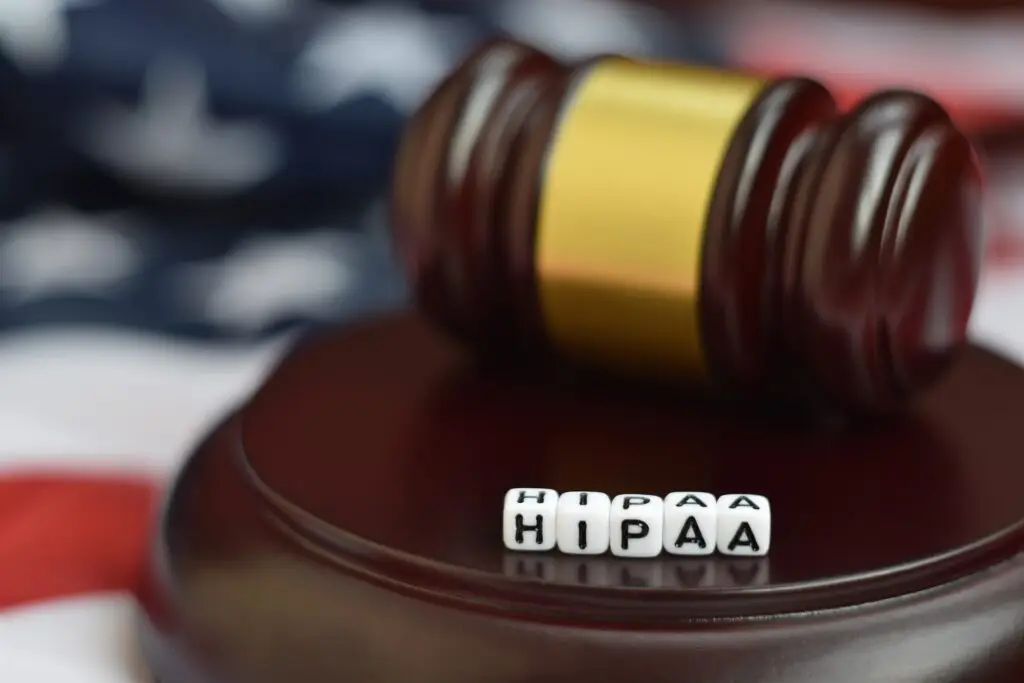
In a pivotal ruling, the Illinois Supreme Court clarified confidentiality under the Mental Health Act, overturning a lower court’s decision that could have increased liability for attorneys. The Court ruled that by testifying about his condition, the plaintiff waived his confidentiality rights, impacting legal practitioners and setting a precedent for mental health information in public disclosures.
Illinois Supreme Court Reverses Narrow Tort Immunity Exception for Bicyclists Previously Given by First District

In a significant ruling, the Illinois Supreme Court has reversed a narrow exception to the Tort Immunity Act for bicyclists, previously established by the First District in the case of Alave v. City of Chicago. This decision underscores the importance of “affirmative physical manifestations” on public property when determining a municipality’s intent regarding roadway use. The Court clarified that while cyclists may be permitted users, the absence of clear indicators, such as bike lanes, means that municipalities are not obligated to maintain crosswalks for them. Discover the implications of this ruling for cyclists and municipalities alike.
Can a Discovery Dispute Lead to Extraordinary Intervention by the Illinois Supreme Court? Usually Not; That’s Why it is Extraordinary

Can a Discovery Dispute Lead to Extraordinary Intervention by the Illinois Supreme Court? While challenging overly broad discovery orders can be appealing, such appeals are rarely granted. However, the Writ of Prohibition/Mandamus offers an extraordinary option for parties seeking Supreme Court intervention. This article examines these writs, highlighting landmark cases like Edwards v. Atterberry and Owen v. Mann, which demonstrate the balance between judicial authority and justice administration.
Quiroz v. Chicago Transit Authority: An Illinois Supreme Court Analysis Regarding the Duty of Care

In Quiroz v. Chicago Transit Authority, the Illinois Supreme Court considered if a landowner owes a duty of care to a trespasser in peril. Ricardo Quiroz died after entering a CTA subway tunnel, raising legal questions about landowner responsibilities. The ruling centered on whether the danger from a moving train was open and obvious, impacting the duty of care in Illinois. Explore the court’s reasoning and implications.
Gant is No Longer: Illinois Supreme Court Holds Direct Negligence Claims Against Trucking Company Appropriate Even Where Company Admits Vicarious Liability

In a landmark decision, the Illinois Supreme Court has reshaped the landscape for the trucking industry by allowing plaintiffs to pursue direct negligence claims against trucking companies, even when those companies admit vicarious liability for their employees. This ruling, stemming from the case McQueen v. Green, challenges the long-standing McHaffie rule and opens the door for separate claims related to negligent hiring, supervision, and retention. With significant implications for employers, this decision underscores the importance of accountability in the trucking sector. Discover how this ruling could impact your business and the legal landscape moving forward.
Illinois Supreme Court Allows Plaintiff to Redesignate a 213(f)(3) Controlled Expert to 201(b)(3) Consultant During Discovery

The Illinois Supreme Court has held that, under certain circumstances, a plaintiff may redesignate a Rule 213(f)(3) controlled expert as a Rule 201(b)(3) consulting expert during discovery, potentially limiting further disclosure of that expert’s opinions.
Illinois Supreme Court to Decide Viability and Scope of Gant: Negligent Training Claims Against Employers for Employee’s Motor Vehicle Accident
The Illinois Supreme Court is set to make a pivotal decision regarding negligent training claims against employers in the wake of a significant case, McQueen v. Pan-Oceanic Engineering. This case challenges the established precedent set by Gant, as it explores whether an employer can be held liable for failing to train an employee, even if the employee is not found negligent in an accident. The outcome could reshape the landscape of trucking and transportation litigation, potentially leading to an increase in claims and heightened scrutiny of training programs. Discover the implications of this landmark case and what it means for employers.