
Environmental Justice Uncertainty: Confusion for Illinois Businesses

Environmental Justice (EJ) has become a complex and often confusing landscape for Illinois businesses. With varying criteria and maps from the USEPA and Illinois EPA, identifying “areas of EJ concern” can lead to delays and costly conditions for new projects. Recent legislative proposals threaten to add even more complexity, while the Illinois Pollution Control Board seeks public input on EJ regulations. As the Illinois EPA drafts a statutory framework to clarify these issues, businesses must stay informed to navigate the evolving regulatory environment effectively. Discover how these changes could impact your planning and operations.
PFAS Updates in First Half of 2024
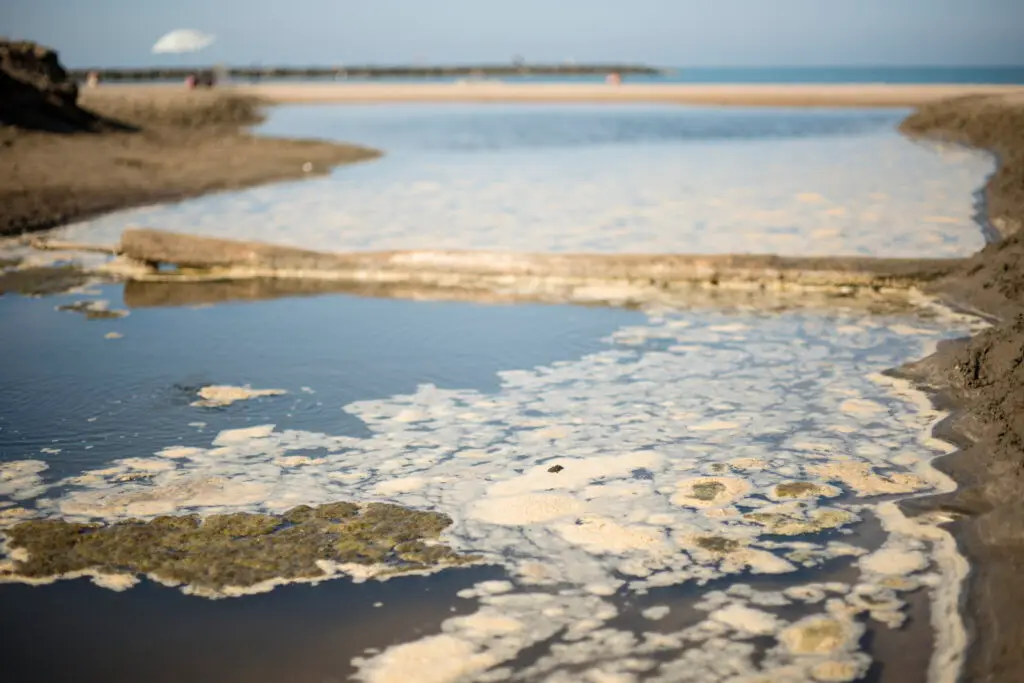
In early 2024, the EPA advanced its regulation of per- and polyfluoroalkyl substances (PFAS) by classifying PFOA and PFOS as hazardous under CERCLA, requiring immediate reporting of releases and enabling enforcement of cleanup costs. New drinking water standards and proposed regulations for nine PFAS under RCRA highlight the urgency of tackling these harmful chemicals. Discover the latest updates and their implications for public health and environmental safety.
Illinois Pollution Control Board Moves Forward with PFAS Groundwater Quality Standards
On March 7, 2024, the Illinois Pollution Control Board took a significant step forward by advancing proposed groundwater quality standards for six per- and polyfluororalkyl substances (PFAS). This move, which includes a proposed standard for PFAS based on the U.S. Environmental Protection Agency’s recent guidelines, invites public comments and addresses critical concerns raised during previous hearings. With standards set for substances like PFOA and PFOS, the Board emphasizes the importance of establishing these regulations ahead of drinking water standards. Discover the details of this pivotal decision and its implications for environmental protection in Illinois.
Appellate Court Upholds Illinois Coal Ash Regulations
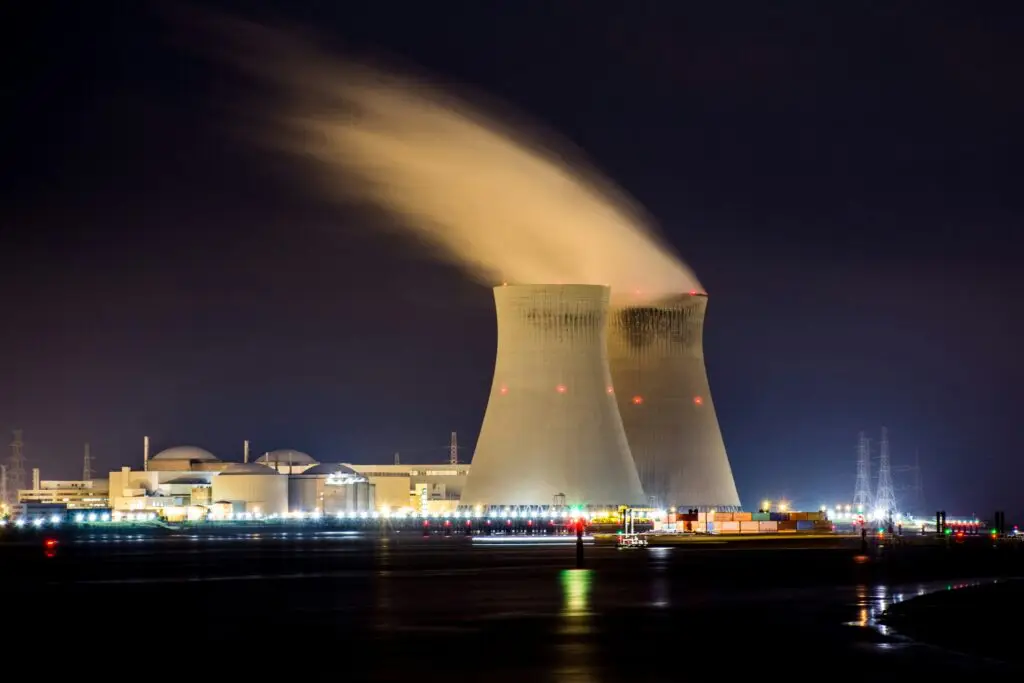
Coal ash contains hazardous contaminants that can threaten soil and water, leading Illinois to adopt statewide rules regulating coal ash ponds. On March 13, 2024, the Illinois Appellate Court for the Fourth District upheld those rules, finding the Pollution Control Board acted within its authority and reasonably justified the regulations.
2023’s Second Quarter Filled with Environmental Law Updates

As we conclude the second quarter of 2023, key developments in environmental law have emerged, including the U.S. EPA’s proposed rules on coal combustion residuals and the Sackett II decision redefining Waters of the United States. Additionally, Illinois has enacted laws on microplastics and natural gas storage safety. Explore our update to see how these changes impact environmental regulations and sustainability in the industry. Don’t miss these insights!
Changes to Annual Emissions Reports on Published Agenda for Illinois EPA
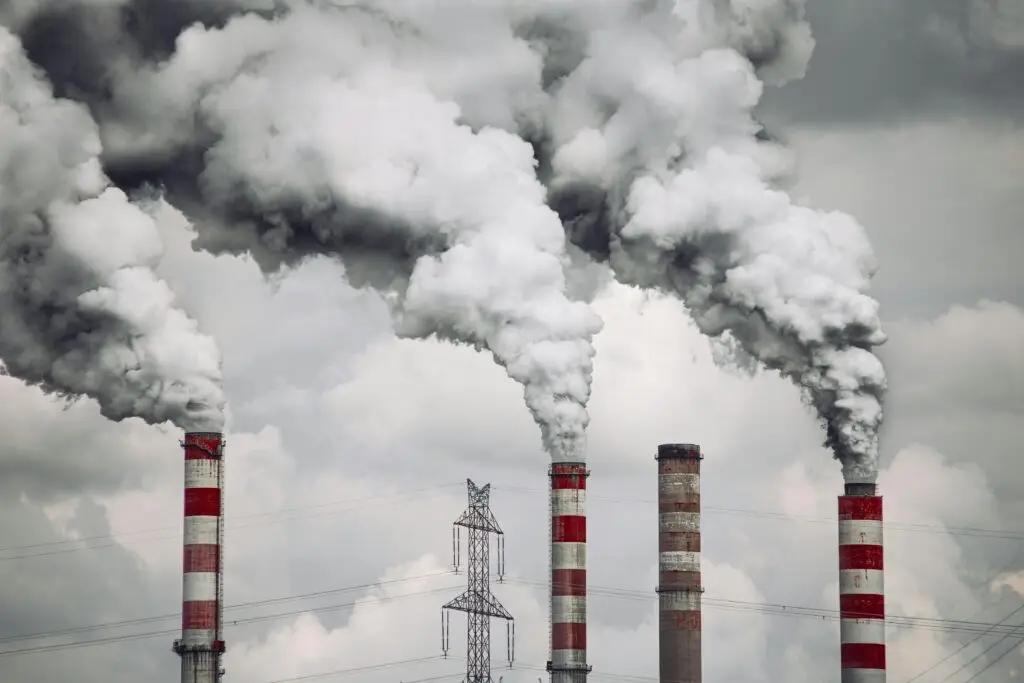
The Illinois Environmental Protection Agency (IEPA) has proposed amendments to the Annual Emissions Reports (AERs) rule, 35 Ill. Adm. Code 254, as part of its regulatory agenda. The changes would remove reporting requirements associated with the now-expired Emissions Reduction Market System (ERMS) program, including seasonal emissions reporting. IEPA also indicated that it plans to clarify and eliminate other unnecessary reporting requirements, such as provisions related to annual throughput and tanks, though no further details were provided.
Illinois Pollution Control Board Adopts First Time-Limited Water Quality Standard

On November 4, 2021, the Illinois Pollution Control Board approved a groundbreaking time-limited water quality standard (TLWQS) for chloride, applicable to the Chicago Area Waterway System and the Lower Des Plaines River, pending USEPA approval. The 15-year TLWQS allows a temporary variance from existing chloride standards while requiring dischargers to implement best management practices, develop individual pollution minimization programs, participate in a chloride workgroup, and submit annual progress reports. The ruling also establishes interim chloride criteria, enhanced monitoring requirements, and a permitting framework to ensure enforceability through NPDES permits, with mandatory re-evaluations after five and ten years.
Illinois Pollution Control Board Reconsiders Ruling on Groundwater Management Zones, Affirms Remainder of Order on Coal Ash Violations

In February 2020, the Illinois Pollution Control Board reconsidered its prior interim ruling in Sierra Club v. Midwest Generation, LLC, addressing the duration and function of Groundwater Management Zones (“GMZs”) under Illinois environmental regulations. Reversing its earlier interpretation, the Board held that GMZs do not automatically expire upon the completion of active remediation and instead remain in effect until the Agency receives documentation confirming both completion of corrective action and attainment of applicable groundwater standards. While the Board affirmed its prior finding that Midwest Generation was liable for groundwater contamination at its coal ash sites, the decision restored regulatory certainty for entities relying on GMZ
Midwest Generation Seeks Reconsideration of Pollution Control Board Ruling Constricting Effective Period of Groundwater Management Zones to Duration of Active Remedial Work
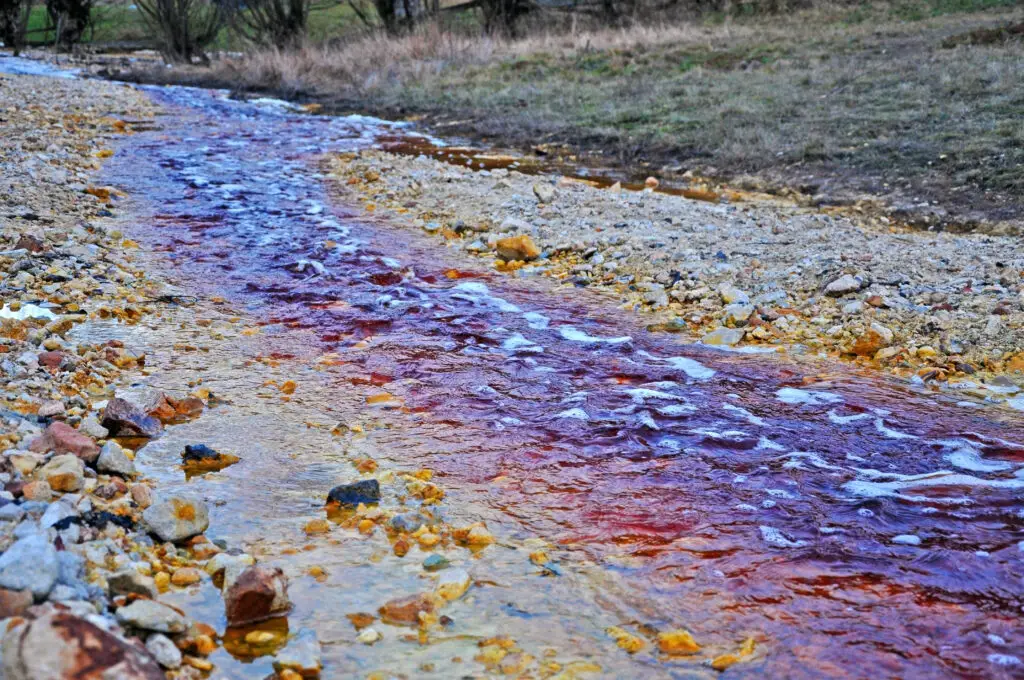
Midwest Generation, LLC is contesting an Illinois Pollution Control Board ruling that may affect environmental compliance related to Groundwater Management Zones (GMZs). The Board found MWG responsible for groundwater contamination, raising concerns about GMZs’ protective measures. MWG seeks reconsideration, and the outcome could impact all entities with GMZs and redefine environmental regulations in Illinois.
Illinois Supreme Court Affirms Pollution Control Board’s Decision Regarding Groundwater Monitoring at Clean Construction or Demolition Debris Fill Operations

On June 20, 2019, the Illinois Supreme Court upheld a Pollution Control Board decision regarding groundwater monitoring at clean construction and demolition debris sites. This ruling shapes environmental regulations in Illinois. The case, The County of Will v. The Pollution Control Board, raises concerns about balancing economic feasibility and environmental safety, as the Board deemed groundwater monitoring unnecessary. Explore the details of this landmark decision.