
PFAS Updates in First Half of 2024
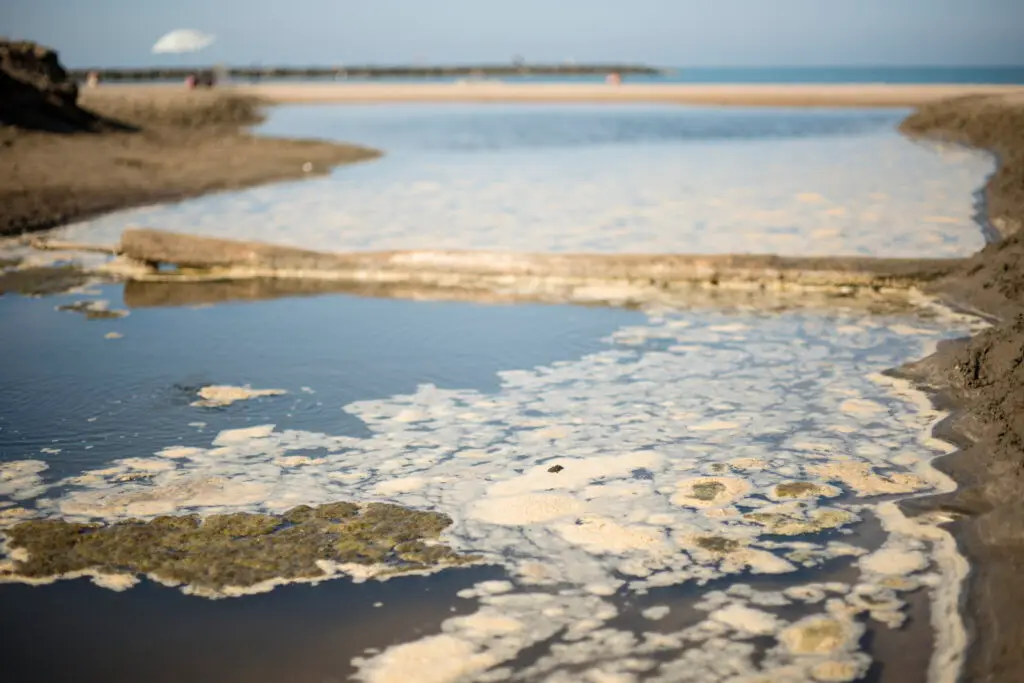
In early 2024, the EPA advanced its regulation of per- and polyfluoroalkyl substances (PFAS) by classifying PFOA and PFOS as hazardous under CERCLA, requiring immediate reporting of releases and enabling enforcement of cleanup costs. New drinking water standards and proposed regulations for nine PFAS under RCRA highlight the urgency of tackling these harmful chemicals. Discover the latest updates and their implications for public health and environmental safety.
Chevron Deference Overturned by U.S. Supreme Court
On June 28, 2024, the U.S. Supreme Court made a landmark decision in Loper Bright Enterprises v. Raimondo, overturning the Chevron deference guiding agency interpretations since 1984. This ruling mandates that courts exercise independent judgment rather than deferring to agencies, significantly impacting environmental law and reshaping agency authority. Discover the details of this important opinion.
U.S. EPA Includes Major Emphasis on PFAS in Its 2025 Budget Request

In its proposed FY 2025 Budget, the U.S. EPA emphasizes addressing per- and polyfluoroalkyl substances (PFAS) to ensure safe water for communities. The request for $42.8 million aims to enhance its PFAS Strategic Roadmap and manage risks in underserved areas. The budget also includes funding for the Superfund Program and strengthened enforcement to combat PFAS contamination, significantly impacting environmental safety and public health.
New U.S. EPA PFAS Air Testing Method Shows Progress Toward Emissions Standards

In January 2024, the U.S. EPA released Other Test Method 50 (OTM-50), a new, non-regulatory testing method designed to promote consistent measurement of PFAS-related air emissions. The method supports data collection and may inform future air emissions standards.
2023’s Second Quarter Filled with Environmental Law Updates

As we conclude the second quarter of 2023, key developments in environmental law have emerged, including the U.S. EPA’s proposed rules on coal combustion residuals and the Sackett II decision redefining Waters of the United States. Additionally, Illinois has enacted laws on microplastics and natural gas storage safety. Explore our update to see how these changes impact environmental regulations and sustainability in the industry. Don’t miss these insights!
Illinois Bans Incineration of PFAS

Illinois has made a significant move in environmental protection by banning the incineration of PFAS, or “forever chemicals.” If your business uses these substances, understanding the implications of this law, signed by Governor Pritzker on June 8, 2022, is crucial. With health risks linked to PFAS, compliance is essential. Learn what this law entails and how it affects your operations to ensure you’re compliant and aware of potential impacts on your business’s future.
Changes to Annual Emissions Reports on Published Agenda for Illinois EPA
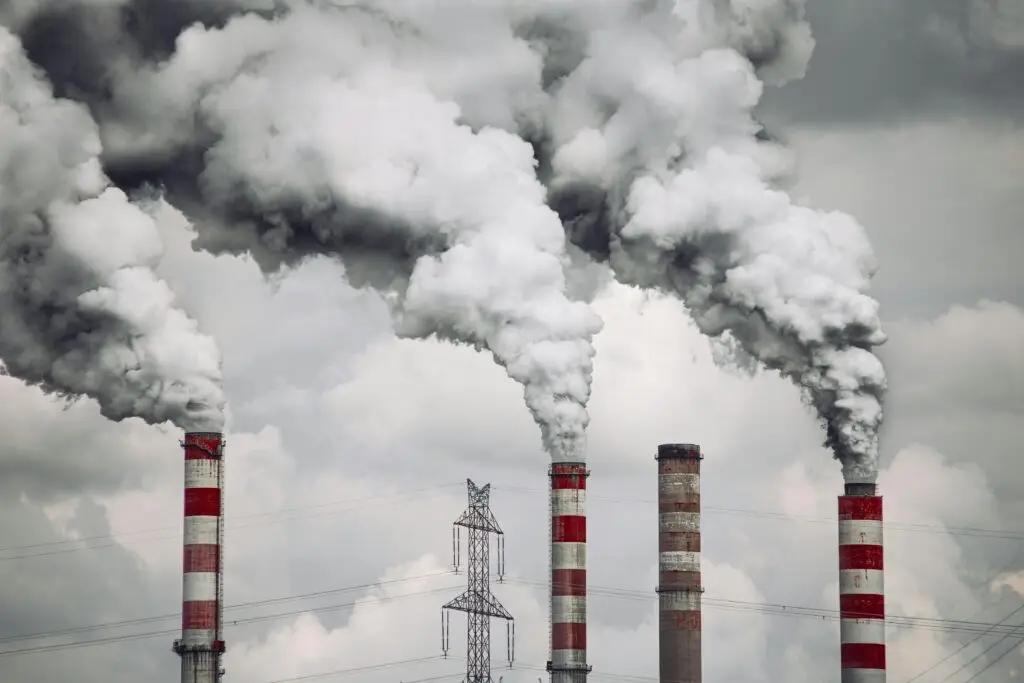
The Illinois Environmental Protection Agency (IEPA) has proposed amendments to the Annual Emissions Reports (AERs) rule, 35 Ill. Adm. Code 254, as part of its regulatory agenda. The changes would remove reporting requirements associated with the now-expired Emissions Reduction Market System (ERMS) program, including seasonal emissions reporting. IEPA also indicated that it plans to clarify and eliminate other unnecessary reporting requirements, such as provisions related to annual throughput and tanks, though no further details were provided.
Illinois Pollution Control Board Adopts First Time-Limited Water Quality Standard

On November 4, 2021, the Illinois Pollution Control Board approved a groundbreaking time-limited water quality standard (TLWQS) for chloride, applicable to the Chicago Area Waterway System and the Lower Des Plaines River, pending USEPA approval. The 15-year TLWQS allows a temporary variance from existing chloride standards while requiring dischargers to implement best management practices, develop individual pollution minimization programs, participate in a chloride workgroup, and submit annual progress reports. The ruling also establishes interim chloride criteria, enhanced monitoring requirements, and a permitting framework to ensure enforceability through NPDES permits, with mandatory re-evaluations after five and ten years.
Challenging the Science Behind EPA’s Risk Evaluation for Chrysotile Asbestos

While the EPA’s Report concludes that chrysotile asbestos poses an “unreasonable risk” to human health, its own benchmarks define that risk as exceeding 1 in 1,000,000 for do-it-yourself exposures and 1 in 10,000 for mechanics—thresholds that still reflect less than a 1% lifetime cancer risk. In context, these risk levels are markedly lower than many everyday hazards identified by the National Safety Council, raising questions about how the EPA characterizes and applies the concept of “unreasonable risk.”