
Davis Appointed to Washington University Law School AI Board of Advisors
Glenn Davis has been appointed by Dean Stefanie Lindquist to serve on Washington University Law School’s AI Board of Advisors. In speaking about his appointment, Davis highlighted the Law School’s leadership in legal technology and AI education. The Advisory Board helps advance partnerships that prepare students, practicing lawyers, and judges for the evolving role of […]
Tips for Avoiding the Pitfalls of AI in Legal Practice: Missouri’s Evolving Rules on AI Disclosure
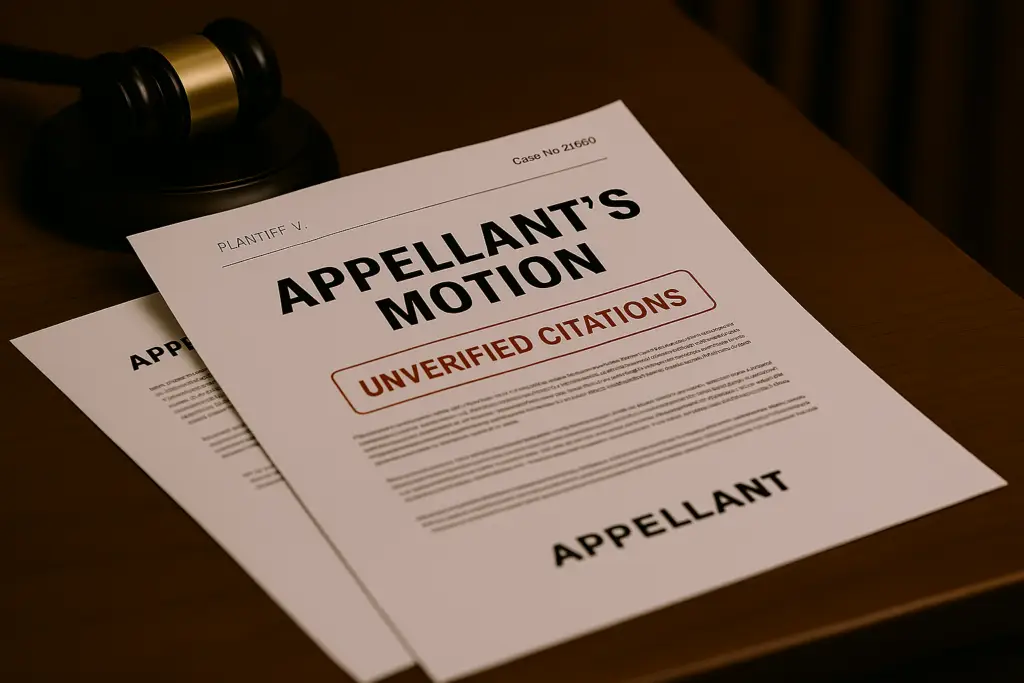
Analyzes several Missouri circuit courts’ rules on generative AI disclosure and offers best practices for avoiding sanctions over AI use in legal filings.
Employer Best Practices: Artificial Intelligence and the Illinois Human Rights Act
In August 2024, Illinois enacted House Bill 3773, known as the “Limit Predictive Analysis Bill,” amending the Illinois Human Rights Act to address the growing use of artificial intelligence in employment decisions. Effective January 1, 2026, the law restricts discriminatory uses of AI, requires transparency when AI is used in hiring and other employment actions, and places new compliance obligations on employers. With regulations forthcoming, employers should begin evaluating and monitoring their AI tools now to mitigate risk and ensure compliance.
A Finger on the Pulse of Biometric Privacy: What Illinois’ New BIPA Amendment Means for Employers

Illinois’ Biometric Information Privacy Act (BIPA) was enacted to protect individuals from the risks associated with the misuse of biometric data, such as fingerprints and facial scans. However, expansive litigation—particularly after the Illinois Supreme Court’s decision in Cothron v. White Castle Systems, which allowed “per scan” damages—exposed employers to potentially catastrophic liability. In response, the Illinois legislature enacted SB2979 in 2024, amending BIPA to eliminate per-scan damages and limit recovery to a single violation per individual, while also clarifying that electronic signatures satisfy the Act’s consent requirements.